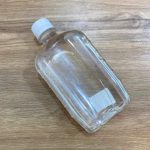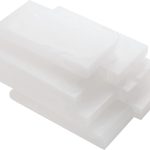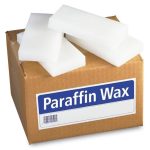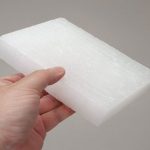
Leather paraffin is a functional material in the tanning and leather processing industry. In this article, you will become familiar with the properties, types, applications, and export considerations of this type of paraffin.
What is Leather Paraffin?
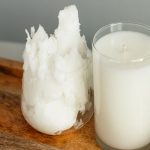
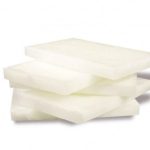
Leather paraffin (Leather Grade Paraffin) is a specialized type of paraffin with a specific formulation used in the tanning, finishing, and softening processes of leather. Due to its lubricating, waterproofing, and polishing properties, it
holds a special place in the leather industry.
Unlike general-purpose paraffins, the paraffin used for leather must be colorless, odorless, and have a defined viscosity and melting point so as not to affect the leather texture and to preserve its natural flexibility.
Technical Features of Suitable Leather Paraffin
To perform optimally in the leather industry, paraffin must have the following features:
-
Controlled oil content: Usually between 0.5 to 3 percent
-
Suitable melting point: About 50 to 60°C
-
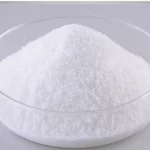
White or milky color (to avoid changing the leather’s color)
-
Mild viscosity for penetration into leather texture
-
Odorless and free of chemical impurities
Why Is Paraffin Used in the Leather Industry?
The use of paraffin in leather production and processing includes the following:
-
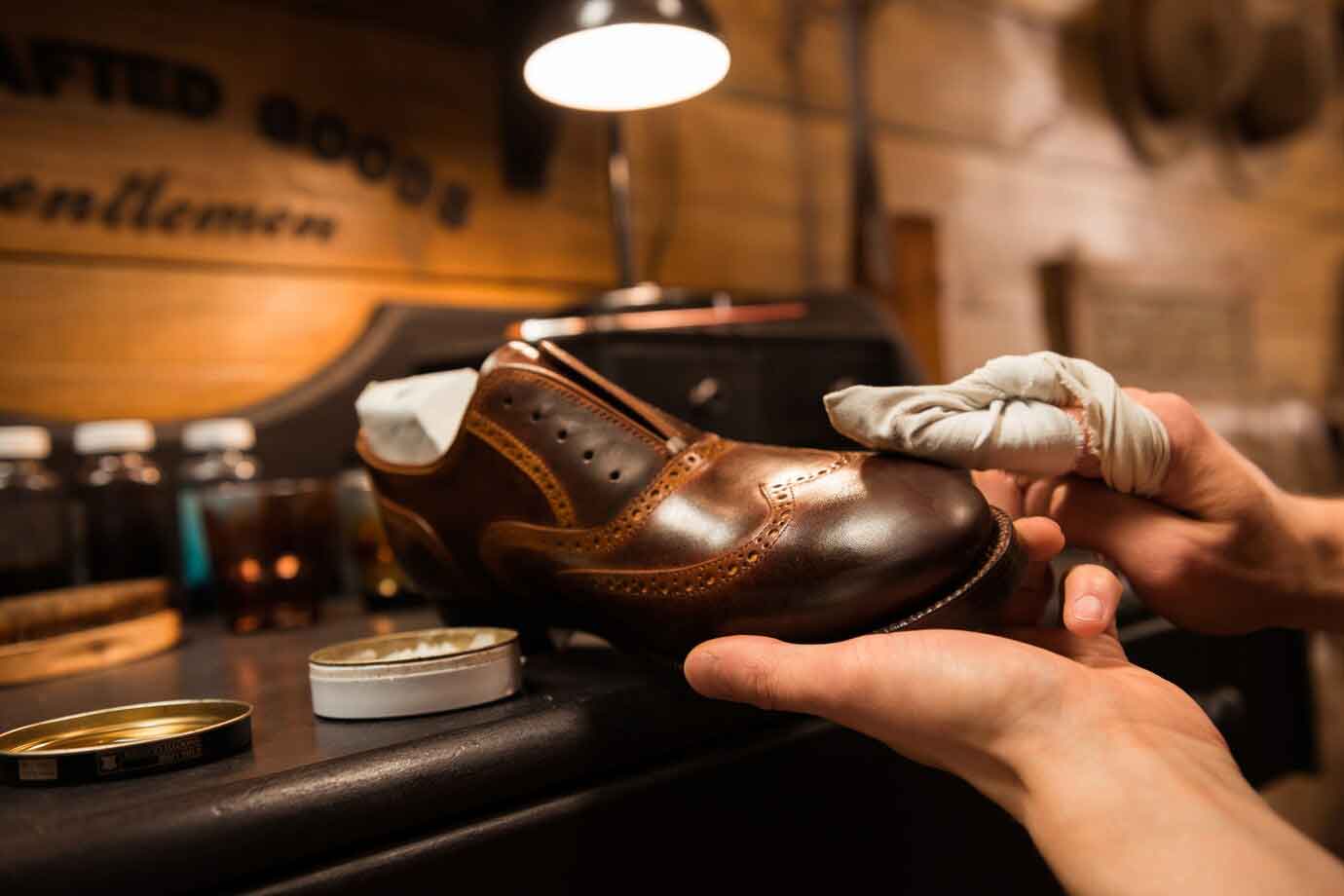
Polishing the leather surface: Surface paraffin creates a protective and shiny layer on the leather.
-
Waterproofing the leather: Increases leather’s resistance to moisture and water.
-
Softening leather texture: Paraffin enhances the flexibility of leather, especially in shoes, belts, and bags.
-
Increasing leather durability: Creates a protective layer that prevents cracking and drying.
-
Improving the final appearance: Paraffin-treated leather appears shiny, uniform, and high-quality.
Types of Paraffin Used in the Leather Industry
Typically, two types of paraffin are used in the leather industry:
-
Fully refined paraffin with low oil content: Suitable for luxury leather goods
-
Semi-refined paraffin with controlled oil content: Used in industrial leather, shoes, and belts
-
Sometimes, depending on the application, high-oil-content paraffin is also used for thick or lower-quality leathers.
The Process of Using Paraffin in Leather Tanning
-
Heating paraffin to melting point (around 60°C)
-
Applying it to the leather surface with a brush or thermal spray device
-
Drying under controlled temperature for better absorption
-
Final polishing for surface gloss and texture uniformity
This process allows paraffin to be evenly absorbed into the leather fibers and creates a flexible and shiny texture.
Economic Advantages of Using Paraffin in Leather
-
Reduced waste: Paraffin prevents drying and cracking.
-
Increased product value: Better finishing allows the leather to be sold at a higher price.
-
Extended shelf life in storage and export
Exporting Leather Paraffin and Its Requirements
Leather paraffin is one of the profitable export items for oil-producing countries and their derivatives. To export this product, the following points must be observed:
-
Providing a valid analysis certificate from official laboratories
-
Compliance with international standards such as ASTM
-
Proper packaging in drums or polymer bags
-
Health approvals and MSDS certificates are mandatory in some countries
Who Are the Main Buyers of Leather Paraffin?
-
Leather shoe and bag manufacturers
-
Leather tanning units
-
Processed leather exporters
-
Leather garment factories
-
Leather coating and dyeing companies
Conclusion
Leather-grade paraffin is one of the most important consumables in the tanning and leather product manufacturing industry that, in addition to enhancing appearance, contributes to the durability and quality of the product. If you are
a manufacturer or active exporter in this field, having an accurate understanding of the type of paraffin and its technical specifications can greatly help improve the final product quality and increase profitability.
With us, superior power, victorious competition
You can contact us to buy and sell this product
Sales consultant
Ways of communication:
 |
09127841877 |
 |
Click |